
Gochisosama desu: The Meaning Behind Japan's Grateful Ending
If Itadakimasu is the dawn of gratitude, Gochisosama is its graceful completion. Discover the hidden samurai spirit of Chiso and how a Zen ending can bring peace to our digital lives.
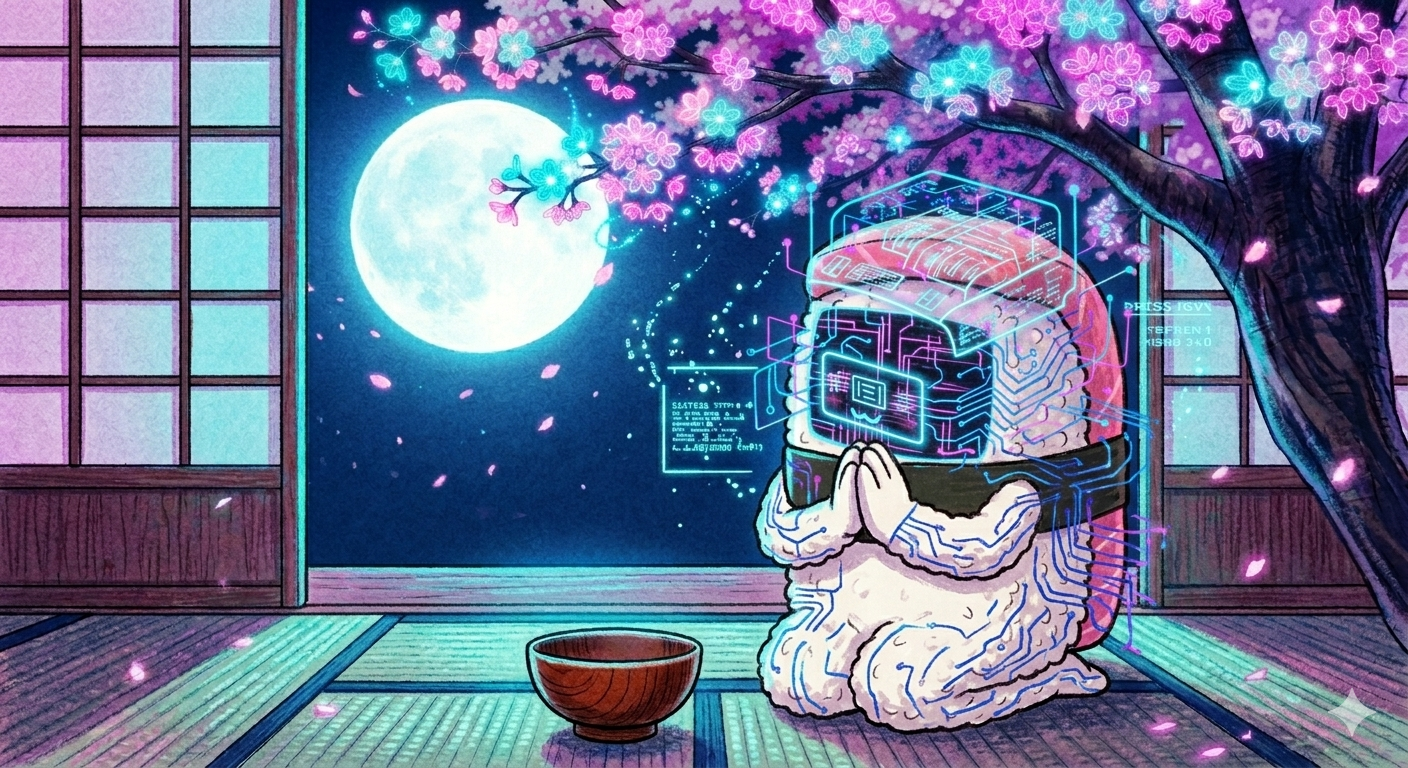
In Japan, an ending is never just a full stop. It is an expression of profound gratitude. Today, we conclude our trilogy with ご馳走様, the ultimate philosophical closing to any meal—and any project.
The Hidden Spirit of 馳走
If you look closely at the Kanji for Gochisosama, you find 馳 and 走. Both characters mean to run or to sprint.
In the pre-modern era, hosting a guest meant physically running around to gather ingredients—farming, fishing, and hunting—to prepare a feast.
When you say "Gochisosama-desu," you are literally saying:
"I recognize the tremendous effort you exerted running around to prepare this for me." It is the highest form of acknowledging Omotenashi.
Latest Insights: Beyond the AI Horizon (Samuel's View)
"In our digital age, it feels like we are constantly clicking 'Next' without ever fully arriving. But Gochisosama teaches us the beauty of the graceful stop. When we complete a project, we must appreciate the Completion (完了). 🌕🍲"
The Circle of Life and Gratitude: いただきます (Itadakimasu): The Dawn of Gratitude
Master the nuance implicitly.
Join 2,500+ professionals receiving weekly AI-decoded breakdowns of Japanese business etiquette.