Zen and the Art of Prompting: Embracing 'Ku'
How the Zen concept of Emptiness can transform your relationship with AI, proving that less is often more.
Zen and the Art of Prompting: Embracing 'Ku'
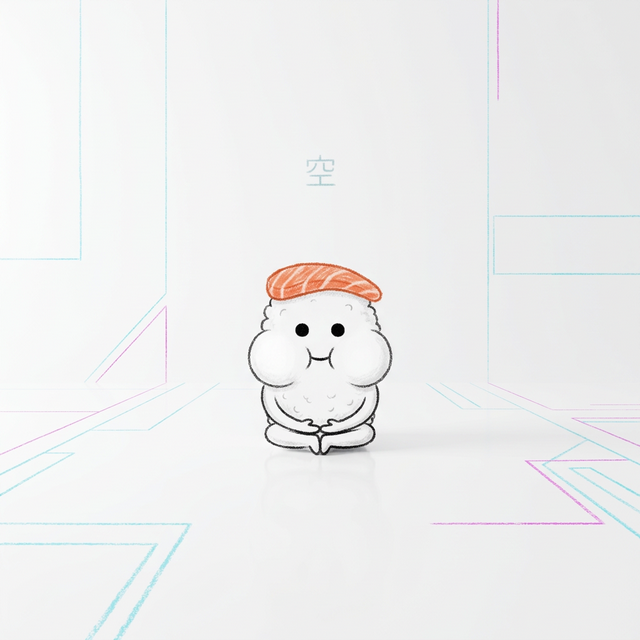
In our rush to extract value from Artificial Intelligence, we often overload our prompts with dozens of constraints, examples, and hyper-specific instructions. We build a cage of words, hoping to trap the perfect answer. But the philosophy of Zen offers a radically different approach through the concept of Ku (空) — Emptiness.
The Power of the Void
In Zen gardens, the empty raked gravel is just as important as the rocks. In a traditional Japanese room, the empty space allows the mind to rest. When applied to AI, embracing Ku means resisting the urge to micromanage the algorithm. By providing a clear, concise, and open-ended prompt, you invite the model to traverse its vast latent space, often returning with creative solutions that over-constrained prompts would have strictly forbidden.
Sometimes, the most powerful instruction you can give an AI is the space to breathe.
Master the nuance implicitly.
Join 2,500+ professionals receiving weekly AI-decoded breakdowns of Japanese business etiquette.