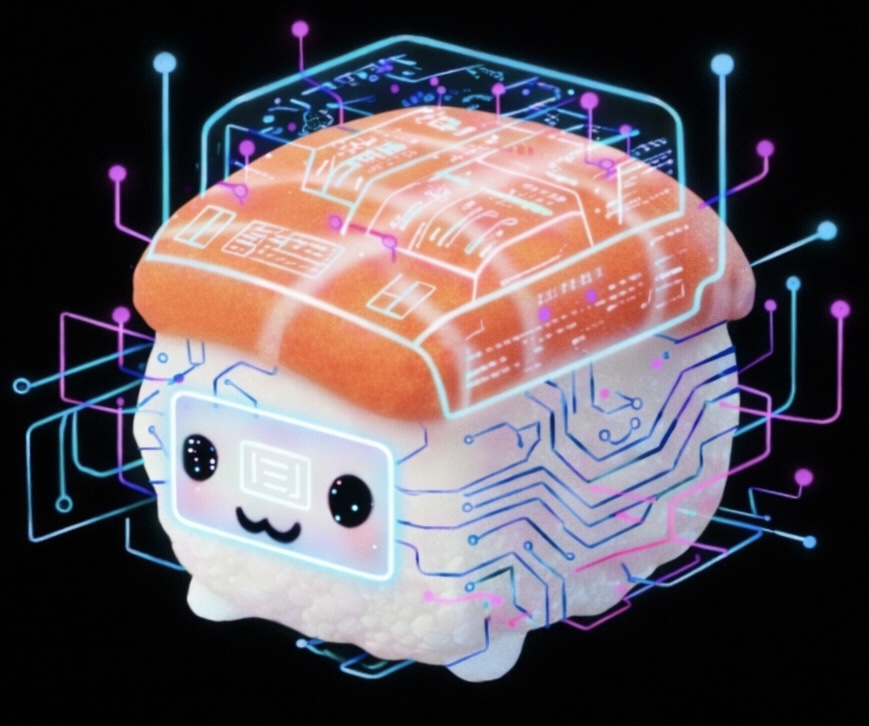
The Spirit of Eight Million Gods: Understanding Japanese Animism (Yaoyorozu no Kami[八百万の神])
Why do Japanese people treat objects with such care? Explore the concept of "Yaoyorozu no Kami" and how the belief that spirits reside in everything shapes the Japanese worldview.
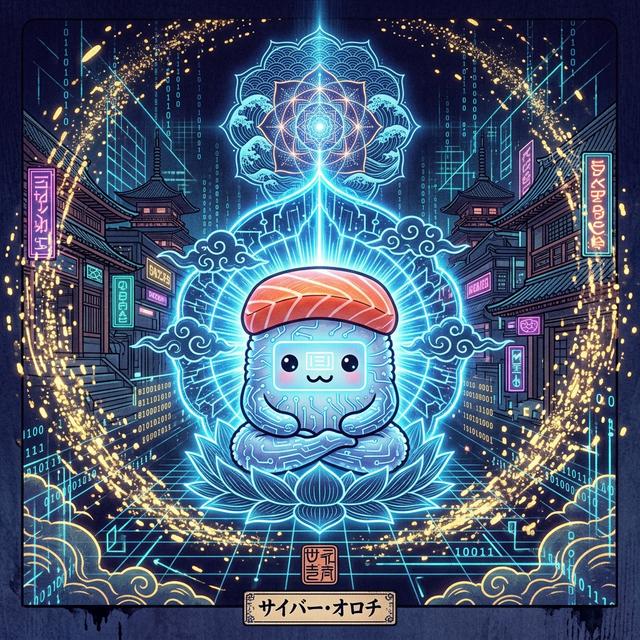
If you’ve ever watched a Studio Ghibli film like Spirited Away, you’ve seen a world where rivers, radishes, and even old umbrellas have their own spirits. This isn't just movie magic—it's a core Japanese belief known as Yaoyorozu no Kami.
A World Without Borders
In many Western philosophies, there is a clear line between humans, animals, and inanimate objects. In Japan, that line is blurred. From a towering ancient cedar tree to a well-used sewing needle, everything is thought to possess a spirit. This animistic view fosters a deep sense of coexistence with the environment.
The Connection to "Mottainai"
This belief is why the concept of Mottainai (too good to waste) is so powerful. If an object has a soul, throwing it away before its time feels like hurting a living being. It’s also why Japan has "Kuyo" (memorial services) for things like broken dolls or even used computer needles—to thank the spirit for its service.
Modern Relevance: Sustainability and Respect
While modern Japan is highly technological, this ancient mindset persists in subtle ways:
- Respect for Nature: The instinctive feeling that a mountain or a waterfall is "sacred."
- Care for Tools: The idea that taking care of your workspace leads to better results.
By recognizing the "spirit" in our surroundings, we naturally move toward a more sustainable and respectful way of living. What would change if you treated the objects on your desk as if they had a soul?
Deep Dive: If you want to learn more about how this spiritual respect translates into daily life, explore the profound philosophy of Mottainai (Too Good to Waste) here.
Master the nuance implicitly.
Join 2,500+ professionals receiving weekly AI-decoded breakdowns of Japanese business etiquette.